
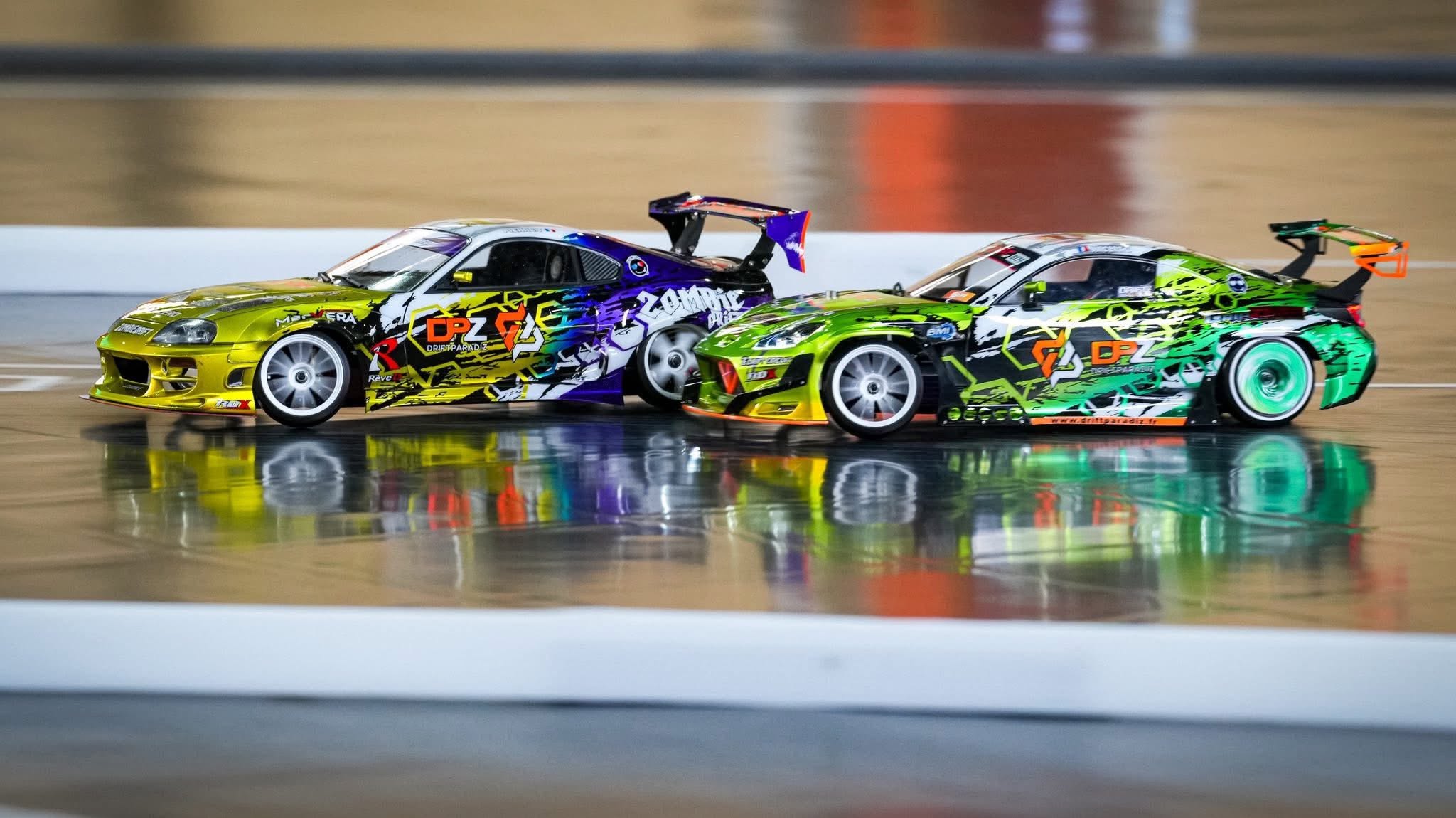
Why choose an RWD RC drift car ?
Choosing a RWD RC Drift car is essential for practicing drift RC according to the modern standards of the discipline. The acronym RWD meaning " Rear-Wheel Drive " (rear-wheel drive), this layout delivers driving power only to the rear wheels, while the front end is used exclusively to guide the trajectory.
What is a RWD RC Drift car ?
A RWD RC Drift car is a 1/10th scale radio-controlled car whose drivetrain sends all motor torque to the rear axle. The front wheels are completely disconnected from the drive transmission in order to provide maximum steering angle freedom.
How rear-wheel-drive transmission works
In an RWD layout, the mechanics are divided into two distinct roles :
-
The rear axle (drive) : receives power from the power system to propel the chassis and trigger lateral breakaway of the rear end.
-
The front axle (steering) : has a large steering angle (up to more than 80°) to maintain counter-steer and guide the vehicle throughout the drift.
Why is real drift practiced exclusively with rear-wheel drive ?
In the full-size automotive world (1:1 scale), drift competitions are held exclusively with rear-wheel-drive vehicles. The thrust generated by the rear wheels makes it possible to initiate the slide through weight transfer, while the steering controls the angle and trajectory. Modern RWD RC Drift reproduces this handling physics exactly, unlike 4WD (AWD) platforms that are now outdated.
Why do RWD RC Drift cars use a gyroscope ?
A RWD RC Drift car uses an electronic gyroscope (or " gyro ") to simulate the steering self-aligning force that occurs naturally in a real race car.
The gyroscope : an assist system, not an autopilot
There is a common misconception that the gyroscope drives the car in place of the driver or that it is cheating. This is completely false : the gyroscope does not intervene in throttle input, trajectory line, speed choice, or transitions. The driver retains direct control over :
-
Throttle trigger modulation
-
The moment the turn is initiated
-
The maximum tolerated slip angle
-
The precision of linked transitions (flick-flack)
The reproduction of natural mechanical counter-steer
When a real car starts to drift, the suspension caster and tire friction naturally make the steering wheel rotate in the direction of the slide. At 1/10ᵉ scale, this physical mechanical feedback does not exist. The gyro makes up for this absence by measuring the chassis yaw rate and commanding the servo to countersteer instantly. To get the most out of your vehicle, you can browse our catalog of RC Drift gyros selected for their response speed.
Why is the gyro essential in RC Drift ?
The gyro is essential in RWD RC Drift to compensate for the use of ultra-slippery hard tires and the complete absence of physical feedback on board the vehicle.
|
Driving factor |
Driving a real Drift car (1:1) |
Driving an RC Drift car (1/10ᵉ) |
|
Tires |
Soft high-grip rubber |
Polypropylene / Hard plastic (almost no grip) |
|
Perceived sensations |
G-forces, vibrations, steering effort, inner ear |
Visual feedback only from several meters away |
|
Reaction time |
Instant correction through physical feel |
Delay from visual analysis and radio transmission |
|
Role of the gyro |
No usefulness (mechanical self-alignment) |
Essential to recreate immediate countersteer |
Hard tires with a very low level of grip
RC Drift vehicles run on hard plastic tires (polypropylene or HDPE). With very low grip, the chassis can rotate on itself in just a few milliseconds. Without the gyro's responsiveness, correcting every tiny loss of traction by sight alone from the transmitter would be almost impossible.
Compensating for the absence of physical feedback
Behind the wheel of a real vehicle, the driver feels the onset of the slide through the seat even before their eyes notice the change of direction. In RC, the driver is outside the vehicle and controls it remotely. The gyroscope compensates for this loss of sensory feedback by applying the ideal angle correction at the steering servo. To benefit from optimal guidance, discover our fast steering servos for RC Drift.
Why not choose a four-wheel drive transmission (AWD) ?
Although four-wheel drive (AWD or 4WD) may seem more forgiving during the first few minutes of use, it alters the driving experience by pulling the vehicle forward instead of managing traction through the rear end.
The risk of masking driving technique learning with 4WD
On a 4WD chassis, the front wheels remain driven and continue to pull the vehicle when the rear steps out. This setup creates artificial lateral slip and hides throttle control mistakes. It does not teach the fundamentals of weight transfer.
The unmatched realism of rear-wheel drive architecture
With a RWD RC Drift car, the driver absolutely must learn how to control rear axle traction, adjust wheel speed, and anticipate grip recovery. It is this requirement that delivers wide, fluid, and spectacular drifts, fully true to reality. That is why all RC competitions and gatherings now use exclusively RWD RC Drift chassis.
Ready to discover the real sensations of RWD RC Drift ?
Choosing a RWD RC Drift car equipped with a precision gyroscope is the only way to properly learn drifting techniques and improve on track alongside other enthusiasts.
The gyroscope never replaces the driver's talent : it recreates the natural steering wheel feedback to compensate for the lack of onboard sensations.
Ready to build your first rear-wheel drive drift platform ?
Find our selection of RWD RC Drift chassis and gyroscopes in our online store.
A question about setting up your gyro or choosing your servo ? Contact our team of specialists to benefit from tailored technical support !
Your questions about RC drift chassis
RWD (rear-wheel drive) reproduces realistic drift behavior ; AWD (4-wheel drive) is easier to handle for beginners.
An RTR kit comes ready to run : assembled chassis, electronics installed. All that remains is to charge the battery and take the wheel.
Yes, most chassis accept upgrade parts (suspension, differentials, electronics) to progress with your skill level.
Our BEGINNER packs

Build your car
Our advice
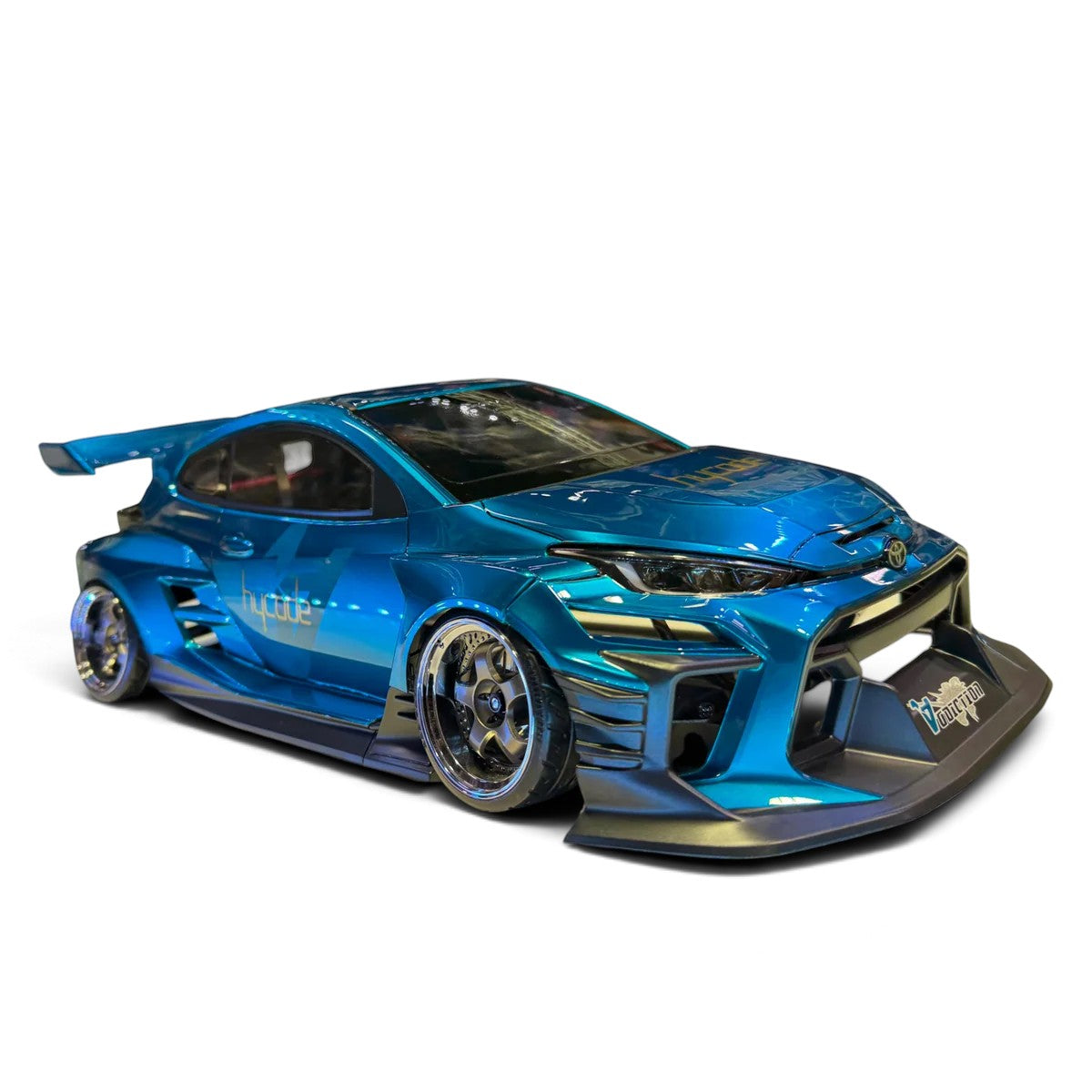
Which RC drift body shell should you choose according to your level ?
Not all RC Drift bodies have the same build difficulty. Some are molded in a single piece and are relatively simple to prepare, while others are made up of several separate elements that require mo...
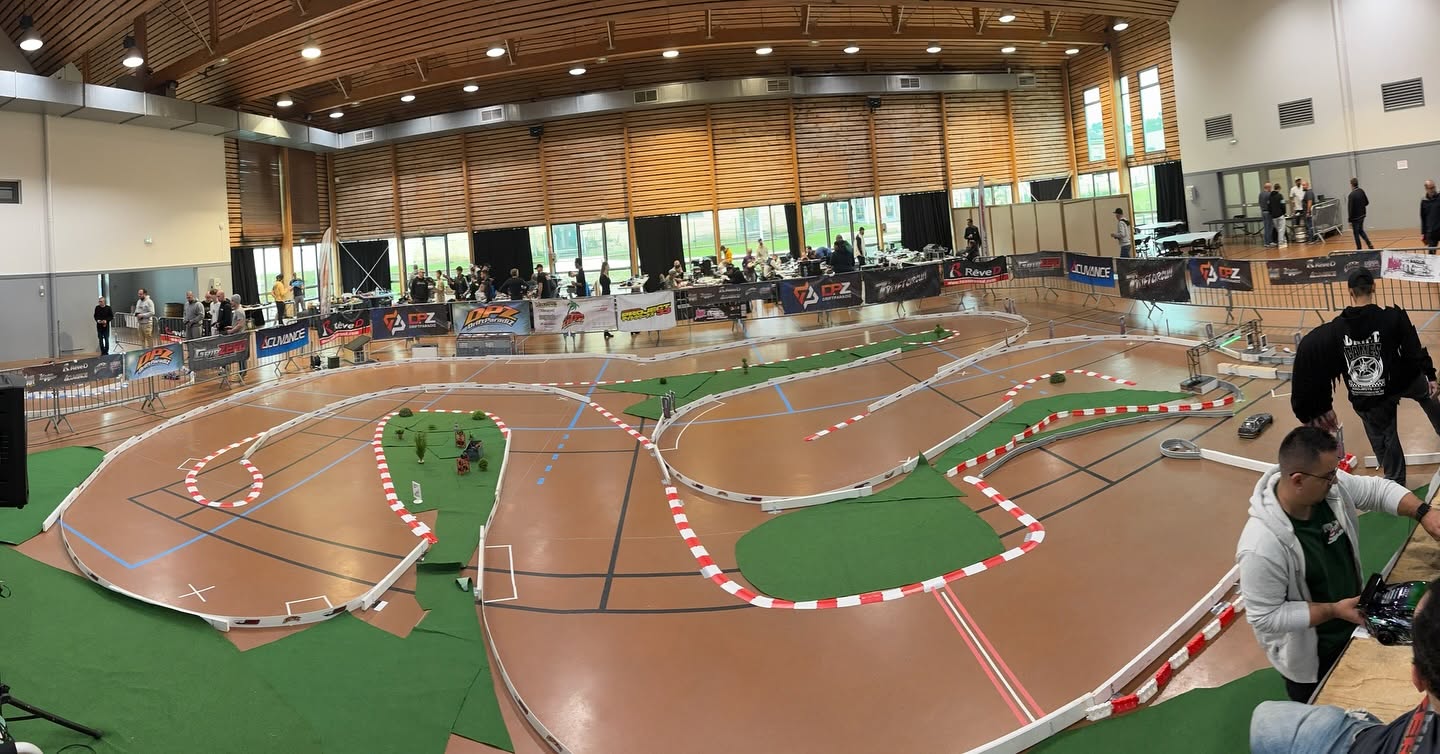
What track size do you need for RC Drift ?
One of the major advantages of RC Drift is that it can be enjoyed just as easily on a small improvised area as on a large dedicated track. It is entirely possible to start in a living room, improve...
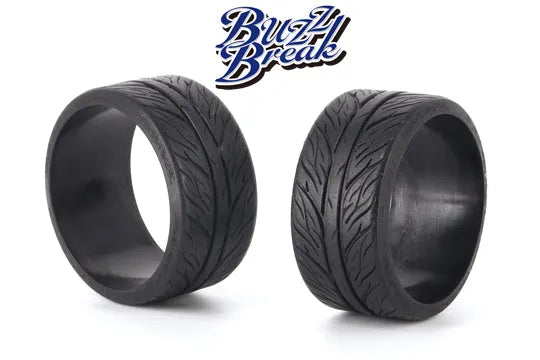
What types of tires are used in RC Drift ?
In RC Drift, cars do not use traditional rubber tires like the majority of radio-controlled vehicles. They are equipped with hard plastic tires specifically formulated to reduce mechanical grip and...
Why choose an RWD RC drift car ?
Choosing a RWD RC Drift car is essential for practicing drift RC according to the modern standards of the discipline. The acronym RWD meaning " Rear-Wheel Drive " (rear-wheel drive), this layout de...
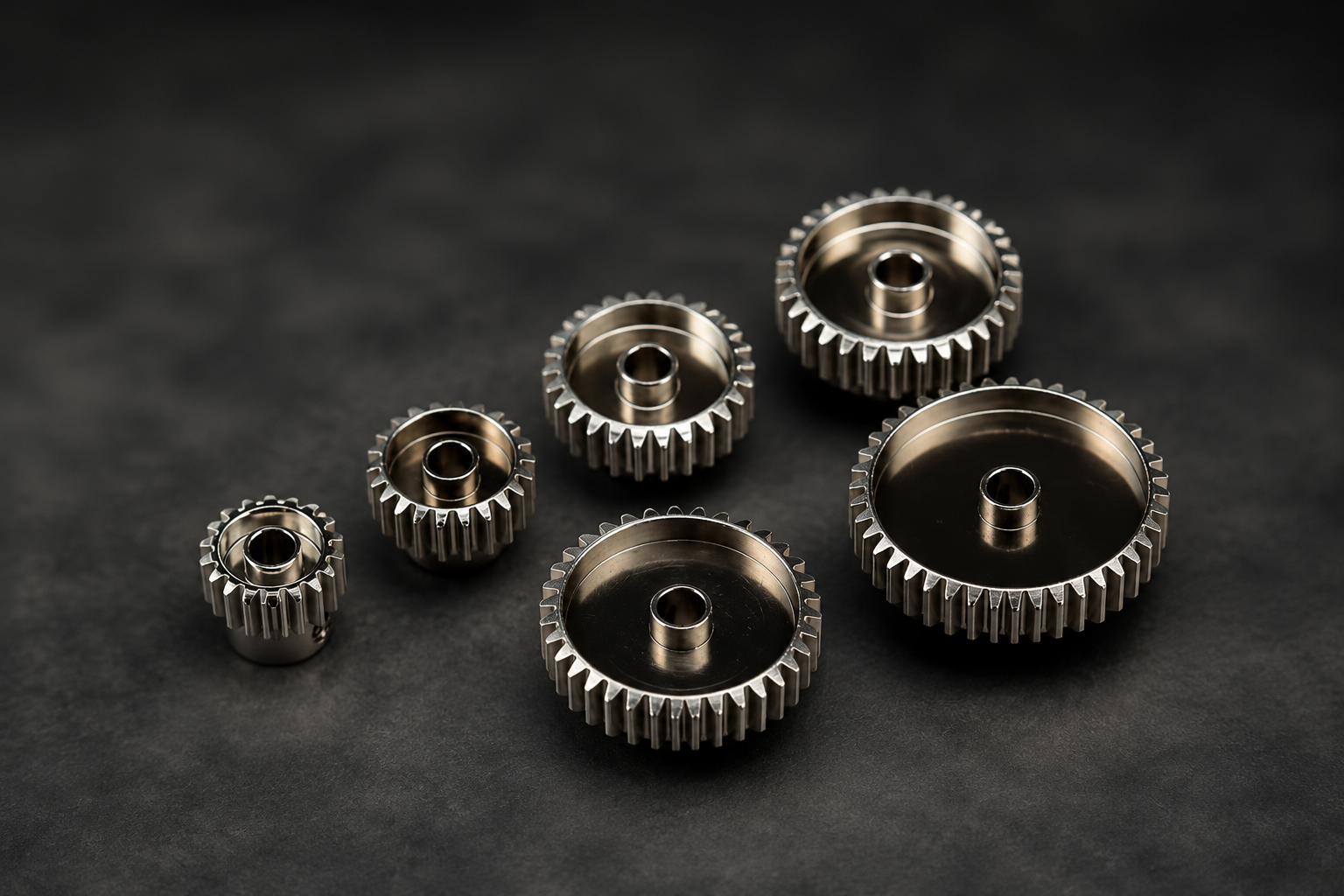
Pinion gears and spur gears : 48dp or 64dp?
In the exciting world of RC drift, two crucial components play a major role in your vehicle's performance : the pinion and the spur gear. These drivetrain elements not only determine the speed ...

Mount your RC Drift tires in 30 seconds
How to mount RC Drift tires on wheels ? When starting out in RC Drift, one question comes up regularly : how do you keep the tires on the wheels ? Do they need to be glued ? Unlike other RC model...