
Is it better to choose an RC Drift as a kit or ready to run ?
To get started in RC Drift, there are two main approaches : buying a RTR (Ready To Run) car already factory-assembled, or choosing a kit chassis to assemble yourself. The RTR option stands out for its immediate ease of use, while with an equivalent budget, the kit version gives you a higher-quality car that is more precise and tailored to your needs.
What is an RTR RC Drift car ?
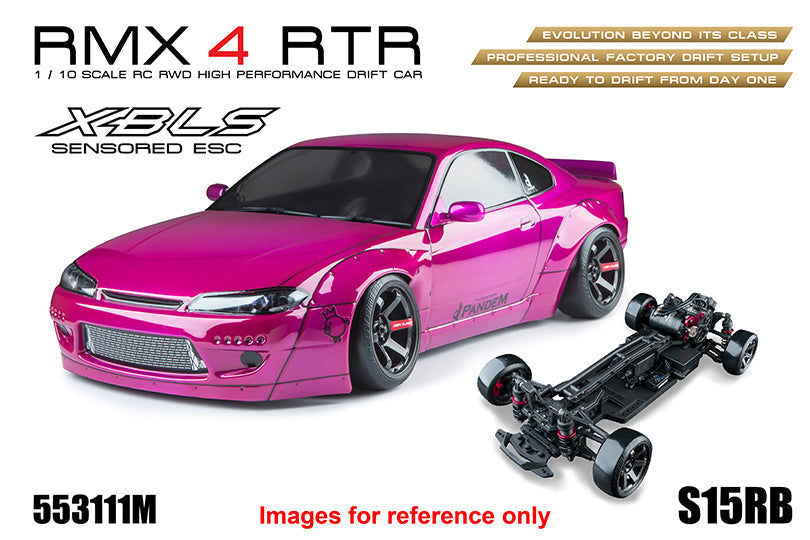
An RTR RC Drift car (" Ready To Run ") is a package delivered 100 % assembled and pre-set by the manufacturer, ready to drive immediately right out of the box.
What is included in a Ready To Run package
An RTR box includes the complete mechanical setup and electronic equipment :
-
The assembled chassis
-
The motor and its ESC
-
The steering servo
-
The assistance gyro
-
The radio transmitter and its receiver
-
The painted body
Depending on the package selected, the battery and charger may be included. The main advantage of RTR lies in its simplicity : the beginner does not need to select each component or carry out the assembly. To get driving without waiting, discover our ready-to-run RTR RC Drift cars selected by our specialists.
What is a kit RC Drift ?
A kit RC Drift car is supplied as bagged individual parts to be fully assembled by the driver step by step.
Custom component selection
By choosing a kit (or Frame Kit), the driver builds the mechanical structure, then selects and installs each electronic component separately :
-
The motor (brushed or brushless)
-
The programmable electronic speed controller
-
The ultra-fast digital steering servo
-
The high-precision gyro
-
The radio transmitter and receiver
-
The Shorty LiPo battery and its balance charger
-
The body to trim and paint
Assembly requires more time, precision, and a minimum of method, but it offers total control over the machine’s overall quality.
Why does the kit often offer better value for money ?
With a similar budget, a RC Drift kit offers higher overall quality than a standard RTR package.
Electronics customization
Instead of putting up with entry-level components factory-installed, the kit option lets you allocate your budget where precision is critical : installing an ultra-fast metal-gear servo, a gyro with finer corrections, or an ESC offering surgical throttle control.
Does choosing the components require knowledge ?
Yes, selecting a custom electronic setup requires checking the compatibility of connectors, frequencies, and dimensions with your RWD chassis.
An overpowered motor, a servo that is too slow, or a gyro incompatible with your radio protocol can make the vehicle unstable or difficult to tune. It is therefore essential to get advice before ordering your components.
On DriftParadiZ.fr, our experts help you build a 100 % consistent setup suited to your skill level.
Do you need to know how to solder to build a kit car ?
In the majority of kit builds, making a few solder joints is essential to connect the electronics.
Common soldering operations
It is generally necessary to :
-
Solder the wires connecting the brushless motor to the ESC
-
Attach the battery plugs or connectors (Banana plugs / XT60 / Deans)
-
Insulate the connections with heat-shrink tubing
-
Route the wiring neatly so it does not interfere with steering
These tasks require a soldering iron of at least 60W, quality solder, and a bit of care. If you do not want to solder yourself, it is entirely possible to leave this step to an experienced modeler or to our workshop.
Building your kit helps you truly know your car
One of the greatest advantages of the kit option lies in the intimate knowledge of its mechanics. By assembling every bearing, every suspension part, and every turnbuckle, you gain a concrete understanding of :
-
The steering kinematics and Ackermann angle
-
The role of shock oil viscosity
-
The transmission layout
-
The exact position of the geometry adjustment screws
A major advantage in the event of a breakdown or breakage
In RC Drift, light contact with curbs or natural wear is part of the practice. When you have assembled your vehicle yourself, maintenance becomes extremely simple.
The driver identifies the damaged part at first glance, knows exactly which screws to remove, and replaces it without worrying about throwing off the rest of the chassis setup. By contrast, a beginner faced with a pre-assembled RTR may hesitate to take their car apart due to a lack of reference points.
Is a kit suitable for a beginner ?
Yes, a beginner can absolutely start with a RC Drift kit chassis, provided they are patient and follow the assembly manual carefully.
This assembly stage is an excellent way to learn how to use RC modeling tools, understand the effect of suspension settings, and learn to diagnose operating issues on your own.
When should you choose an RTR car ?
The RTR option is ideal if you :
-
Want to drive immediately without waiting
-
Do not want to do any assembly or soldering
-
Do not yet own any RC modeling tools
-
Are looking for a simple and cost-effective turnkey solution
-
Have a fixed and limited budget to get started
When should you choose a kit car ?
The kit option is highly recommended if you :
-
Are looking for the best value for money on electronics
-
Want to choose high-performance, upgradeable components
-
Enjoy mechanics, assembly, and technical setup
-
Want to understand exactly how your chassis works
-
Plan to maintain and repair your car independently
Comparison table : RTR vs Kit to assemble
|
Decision criterion |
RTR RC Drift car |
RC Drift Kit Chassis |
|
Time before hitting the track |
Immediate (< 30 min) |
6 to 10 hours of assembly |
|
Tools required |
None (included or loaned) |
Hex keys, pliers, soldering iron |
|
Electronics quality |
Standard / Decent |
High-end / Custom |
|
Mechanical knowledge |
Passive |
In-depth and complete |
|
Upgrade potential |
Moderate |
Total and unlimited |
Ready to choose the ideal setup for your project ?
Whether you go for the immediate convenience of RTR or the custom precision of a kit to assemble, the important thing is to choose reliable equipment with solid spare parts support.
Not sure about the compatibility of an ESC, a motor, or a gyro for your kit ? Contact our team of enthusiasts to benefit from personalized, tailor-made technical support !
Your questions about RC drift chassis
RWD (rear-wheel drive) reproduces realistic drift behavior ; AWD (4-wheel drive) is easier to handle for beginners.
An RTR kit comes ready to run : assembled chassis, electronics installed. All that remains is to charge the battery and take the wheel.
Yes, most chassis accept upgrade parts (suspension, differentials, electronics) to progress with your skill level.
Our BEGINNER packs

Build your car
Our advice
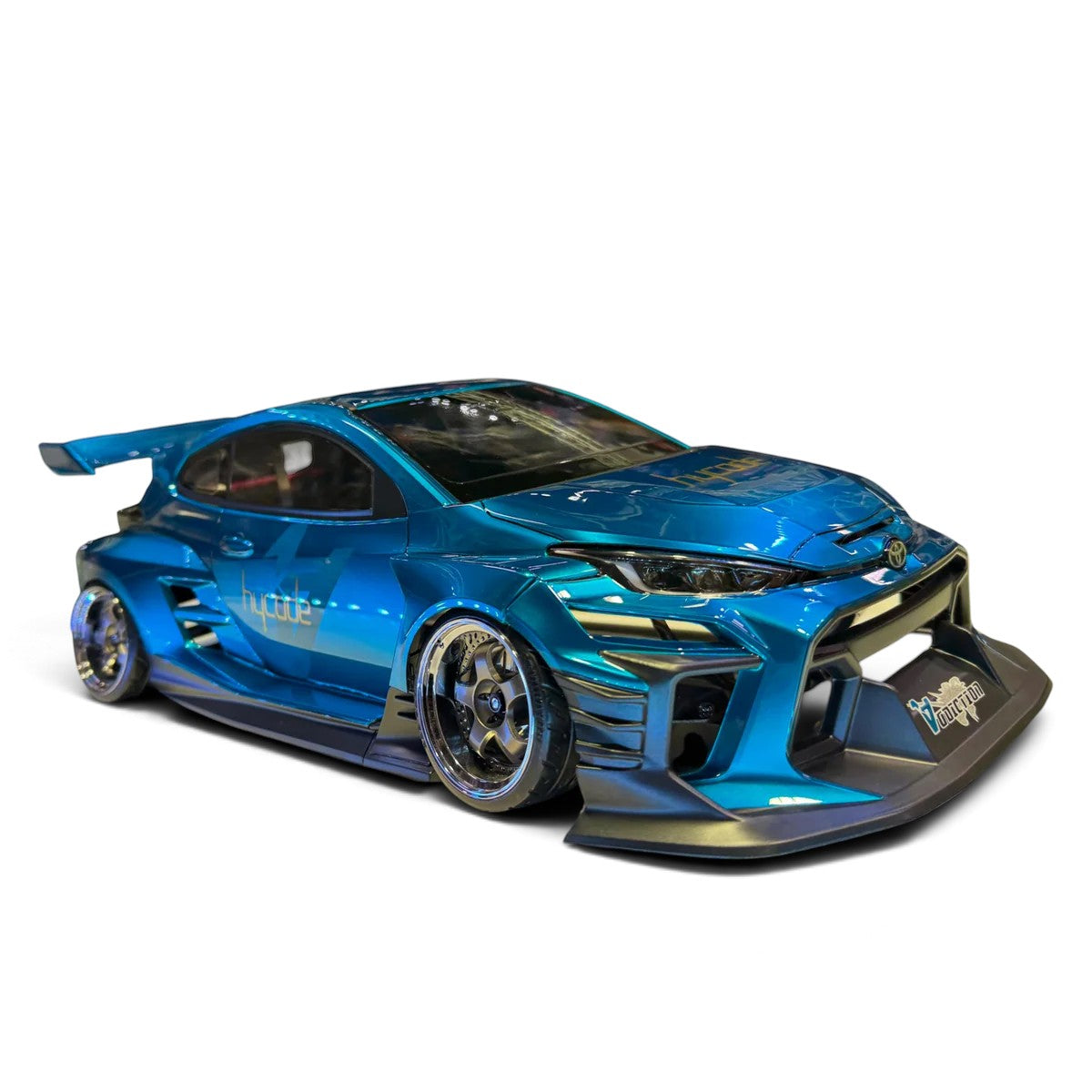
Which RC drift body shell should you choose according to your level ?
Not all RC Drift bodies have the same build difficulty. Some are molded in a single piece and are relatively simple to prepare, while others are made up of several separate elements that require mo...
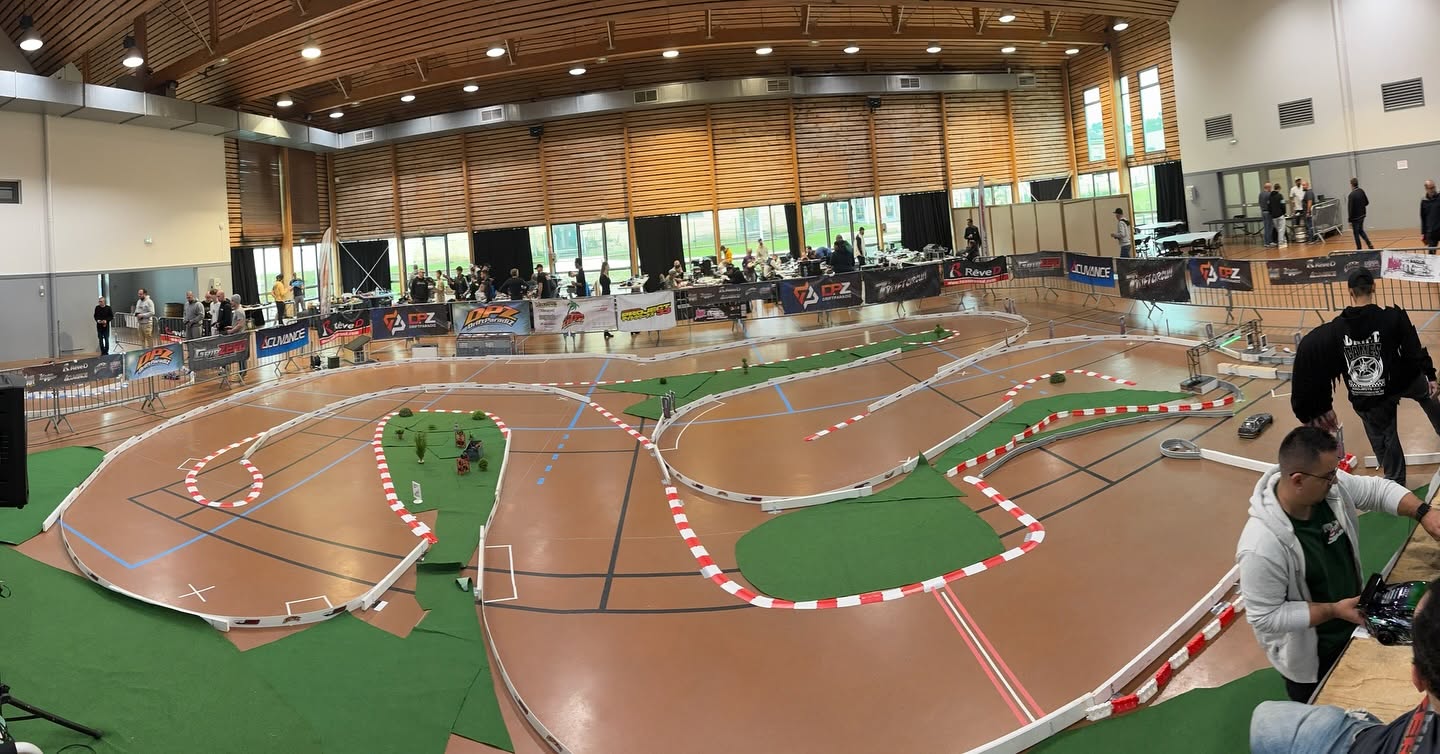
What track size do you need for RC Drift ?
One of the major advantages of RC Drift is that it can be enjoyed just as easily on a small improvised area as on a large dedicated track. It is entirely possible to start in a living room, improve...
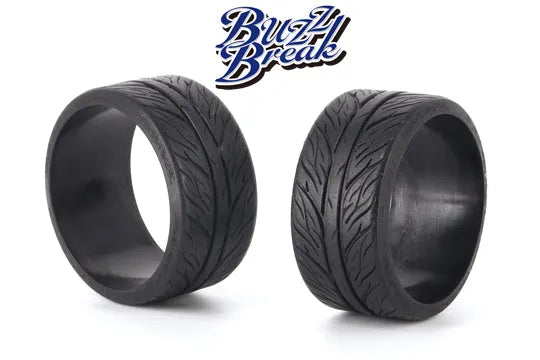
What types of tires are used in RC Drift ?
In RC Drift, cars do not use traditional rubber tires like the majority of radio-controlled vehicles. They are equipped with hard plastic tires specifically formulated to reduce mechanical grip and...
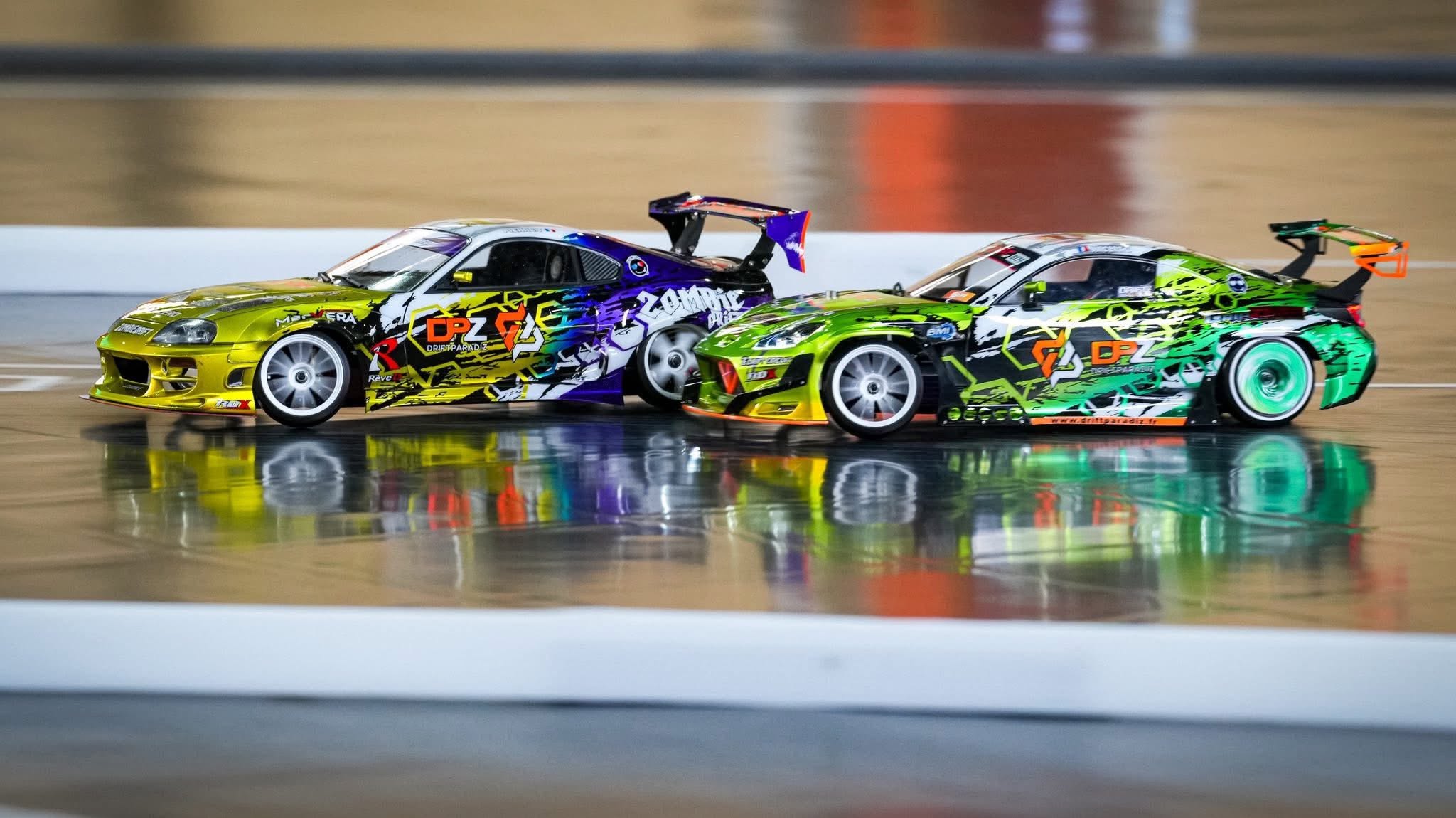
Why choose an RWD RC drift car ?
Choosing a RWD RC Drift car is essential for practicing drift RC according to the modern standards of the discipline. The acronym RWD meaning " Rear-Wheel Drive " (rear-wheel drive), this layout de...
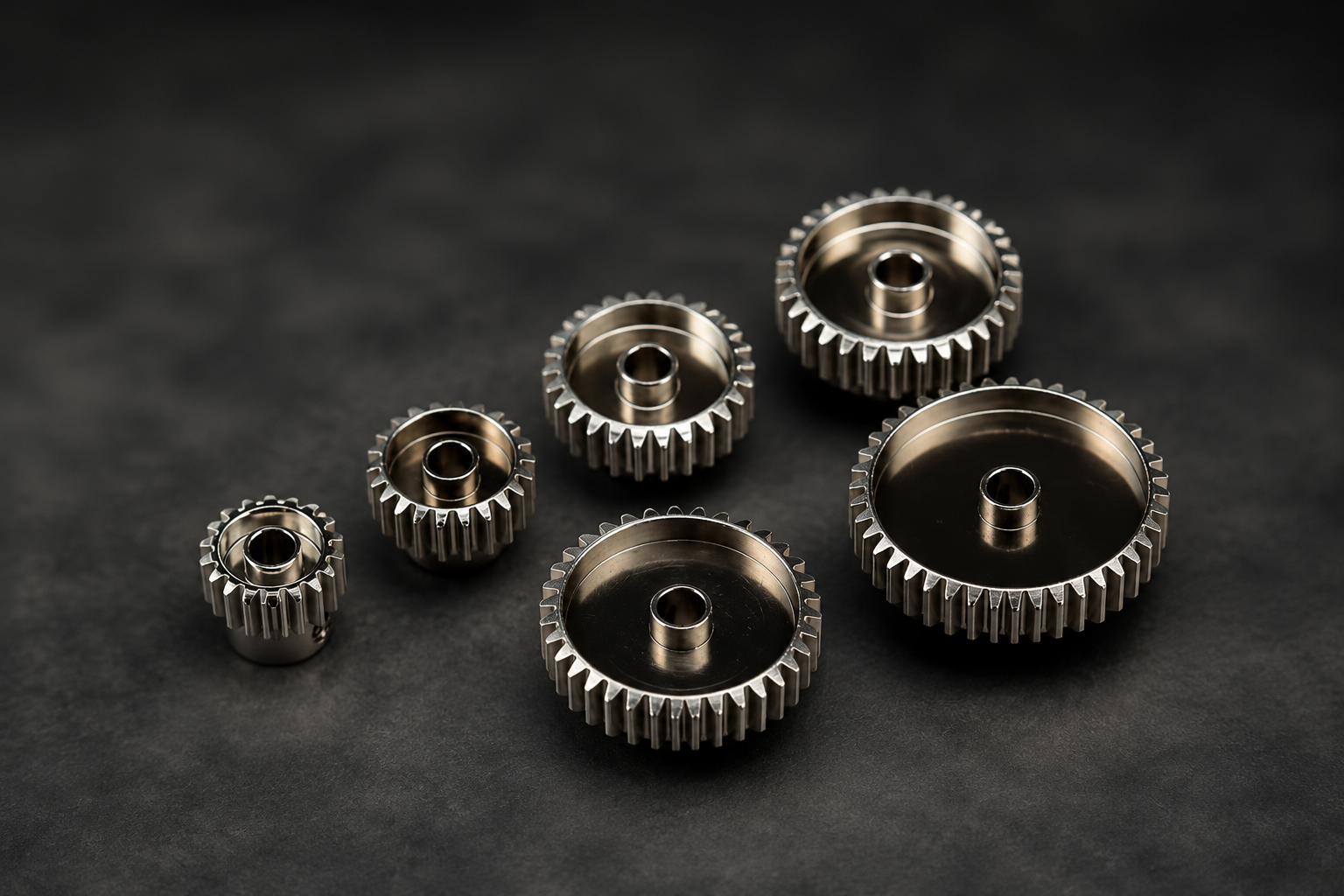
Pinion gears and spur gears : 48dp or 64dp?
In the exciting world of RC drift, two crucial components play a major role in your vehicle's performance : the pinion and the spur gear. These drivetrain elements not only determine the speed ...
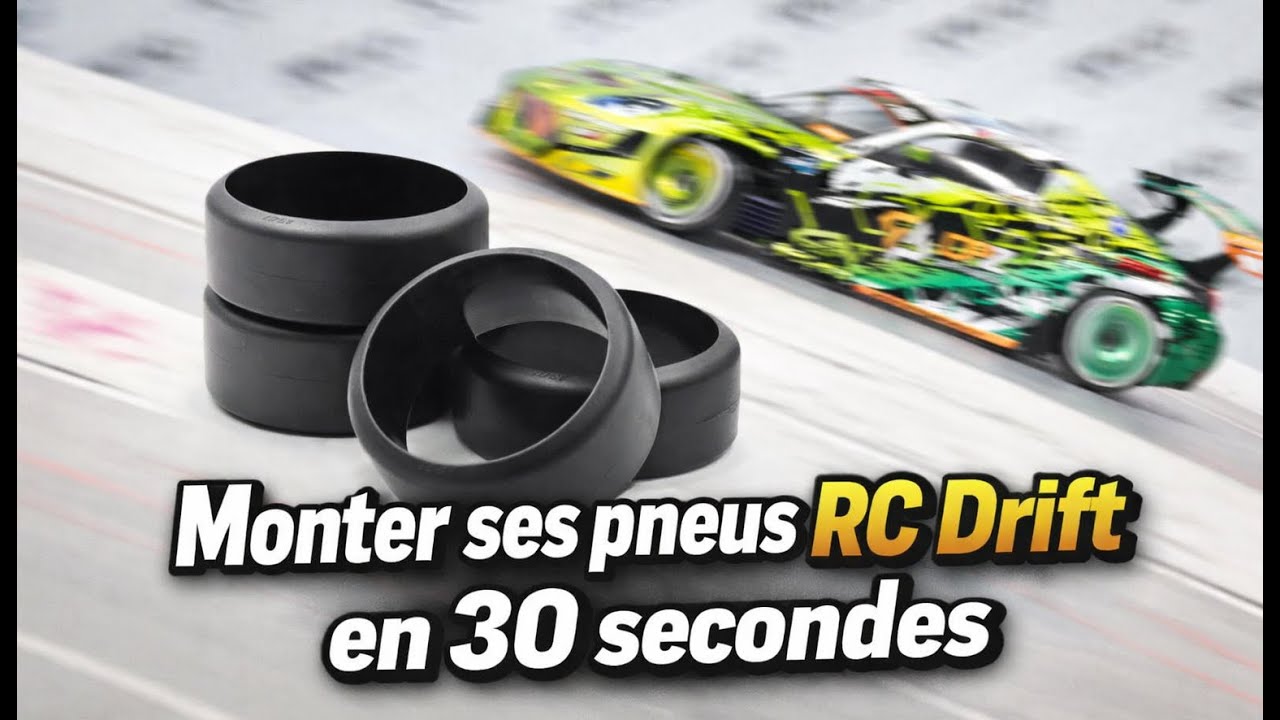
Mount your RC Drift tires in 30 seconds
How to mount RC Drift tires on wheels ? When starting out in RC Drift, one question comes up regularly : how do you keep the tires on the wheels ? Do they need to be glued ? Unlike other RC model...